Vaping has become a ubiquitous part of modern culture, especially among younger demographics. However, the rise in vaping has also led to growing concerns about its implications, particularly in vape detectors settings such as schools, workplaces, and public spaces. As a result, vape detectors have emerged as a critical tool in identifying and mitigating vaping behavior. In this comprehensive guide, we’ll dive deep into The Inner Workings of Vape Detectors: What You Need to Know.
Understanding Vape Detectors
What is a Vape Detector?
A vape detector is an electronic device designed to identify the presence of vapor produced by e-cigarettes or vaping devices. These detectors utilize various technologies, including sensors that can detect specific chemicals commonly found in vape products.
How Do Vape Detectors Work?
Vape detectors operate by monitoring air quality for chemical signatures associated with vapor. When these substances are detected at certain concentrations, the detector triggers an alert or alarm.
Types of Technologies Used in Vape Detectors
Chemical Sensors: These sensors detect specific chemicals like propylene glycol and vegetable glycerin. Particle Sensors: They identify particulate matter generated during vaping. Smoke Detectors with Enhanced Capabilities: Some modern smoke detectors have been adapted to recognize vapor.Why are Vape Detectors Important?
The importance of vape detectors cannot be overstated. They serve as a deterrent against unauthorized vaping in areas where it’s prohibited, protecting the health and wellbeing of individuals in shared spaces.
The Components of Vape Detectors
Core Components Explained
To understand vape detectors better, let’s break down their core components:
Sensors: The heart of any vape detector; they analyze air quality. Control Unit: This processes data received from sensors and triggers alarms when necessary. Power Supply: Most vape detectors run on batteries or can be hardwired into a building's electrical system.Sensor Types and Their Functions
- Metal Oxide Semiconductor (MOS) Sensors: These are highly sensitive and can detect low concentrations of vapors. Photoionization Detectors (PID): These use ultraviolet light to ionize chemicals present in the air for detection.
Installation Considerations for Vape Detectors
Where Should You Install Them?
Choosing the right location for installing vape detectors is crucial for optimal performance. Here are some ideal spots:
- Classrooms Bathrooms Hallways Cafeterias
Factors Influencing Installation Location
Airflow patterns Proximity to potential sources of vapor Accessibility for maintenanceHow Effective Are Vape Detectors?
Evaluation Metrics for Effectiveness
Effectiveness can be evaluated through factors such as:
- Detection rate False alarm frequency Maintenance requirements
Studies on Effectiveness
Research indicates that places with installed vape detectors report significantly lower instances of vaping incidents compared to those without them.
Benefits of Using Vape Detectors
Creating a Safer Environment
Vape detectors contribute to creating safer environments by discouraging vaping among students and employees alike.
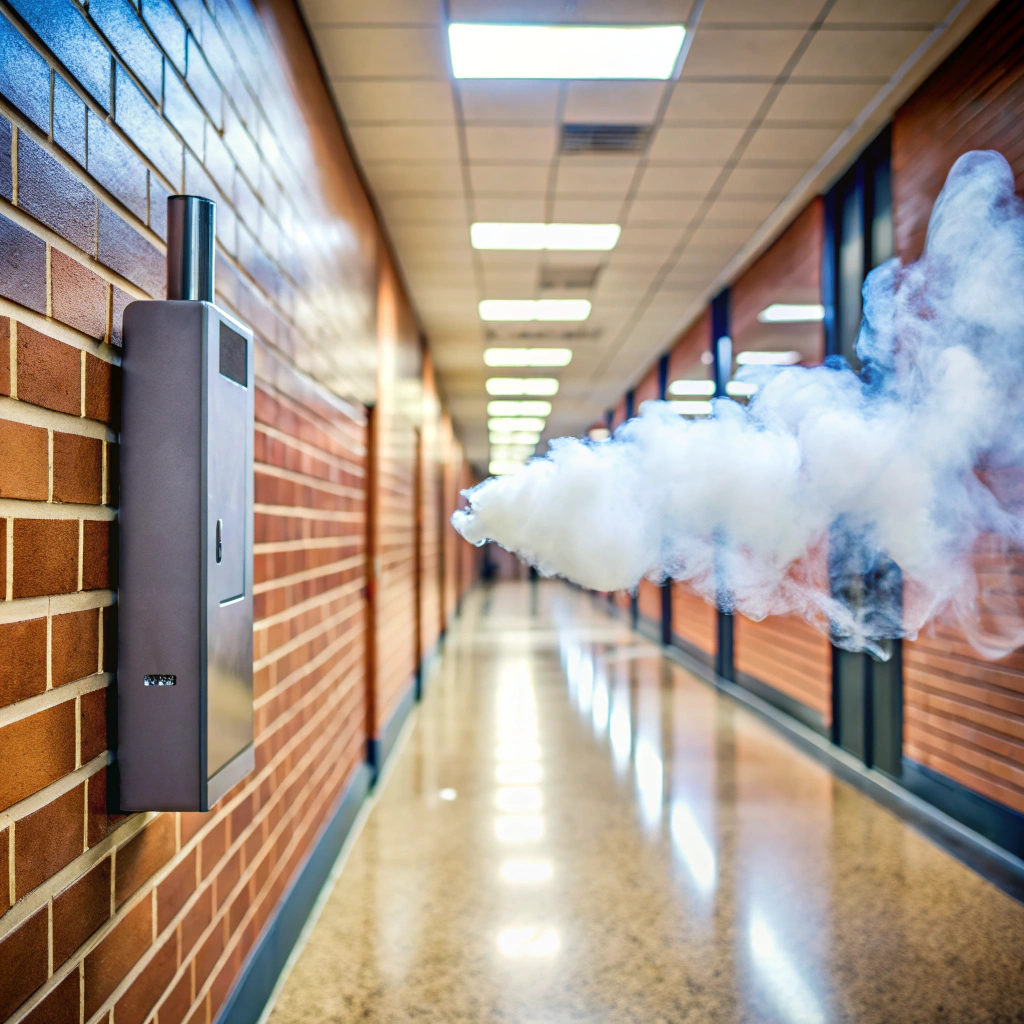
Benefits Include:
- Improved indoor air quality Enhanced compliance with regulations Increased awareness about vaping consequences
Cost Savings Over Time
Although there is an initial investment involved, companies often save money in the long run due to reduced health risks and improved productivity.
Limitations of Vape Detectors
False Alarms: A Common Concern?
One prevalent issue is false alarms triggered by other sources like aerosol sprays or cooking fumes. While most modern devices minimize this risk, it's still a concern that needs addressing.
Sensitivity Issues
Some vape detectors may not be sensitive enough to catch low-level vapor emissions consistently, leading to potential gaps in detection capabilities.
The Future of Vape Detection Technology
Emerging Technologies on the Horizon
Advancements in AI and machine learning could revolutionize how we approach vape detection, making systems smarter and more efficient over time.
Potential Innovations Include:
- Integration with smart building systems Real-time data analytics for monitoring trends
Legal Implications Surrounding Vape Detection
# Privacy Concerns The surveillance aspect raises questions about privacy rights versus safety measures; balancing these two aspects will be essential moving forward.
User Experiences with Vape Detectors
# Feedback from Businesses Businesses that adopted these technologies noticed improvements not only in compliance but also overall employee morale.
Tips for Choosing a Quality Vape Detector
ol4li24li24/li25li25/li26li26/ol4/# Brand Recommendations Some well-regarded brands include: - [Brand A] - [Brand B] - [Brand C]
Maintaining Your Vape Detector
# Troubleshooting Common Issues Click here for info If your detector frequently goes off without cause: - Check for obstructions near the sensor
- Consider recalibrating it
FAQs About Vape Detectors
What types of substances do vape detectors sense?
They primarily sense chemicals like propylene glycol and vegetable glycerin found in most vaping products.
Are there laws regarding the use of vape detectors?
Yes, regulations vary by state or country; check local laws before installation.
Will installing a vape detector eliminate all vaping incidents?
While they significantly reduce incidents, complete elimination is unlikely without comprehensive enforcement measures.
How often should I test my vape detection system?
Regular testing every month is advisable alongside routine maintenance checks.
Can I install multiple units within one area?
Yes! Clustered installations may enhance coverage depending on the size and layout of the space.
Are there any ongoing costs associated with owning a vape detector?
Yes, maintenance costs may arise along with potential replacement parts over time.
Conclusion
In conclusion, understanding The Inner Workings of Vape Detectors: What You Need to Know equips you—and those around you—with valuable insights into how these devices function, their benefits and limitations, and their crucial role in fostering healthier environments free from unwanted tobacco products like vapes or e-cigarettes.
As technology continues advancing at a rapid pace, staying informed will help you make educated decisions when considering implementing these devices—whether at home or work—to create safe spaces conducive to healthier choices!
This article provides an extensive overview while ensuring SEO best practices are adhered to throughout its structure!